Transform sweet tea into a fizzy, gut-loving elixir that rivals any store-bought brand. Learn the ancient art of kombucha brewing with our foolproof guide.
Kombucha is a fizzy, slightly tangy fermented tea that has gained popularity for its refreshing taste and gut health benefits. Brewing kombucha at home is easier than you might think—and with a little patience and care, you can create your own probiotic-rich elixir tailored to your taste. Plus, at a fraction of the cost of store-bought bottles, your wallet will thank you too!
What is Kombucha? The Living Tea Revolution
Kombucha is made by fermenting sweetened tea with a SCOBY (Symbiotic Culture of Bacteria and Yeast). This alien-looking disc is actually a living colony of beneficial microorganisms that transforms ordinary tea into a probiotic powerhouse. The SCOBY consumes the sugar and produces beneficial acids, probiotics, and a small amount of alcohol (typically less than 0.5%), creating a slightly tart, fizzy beverage that's been enjoyed for over 2,000 years.
Curious about how kombucha compares to its sophisticated cousin? Check out our detailed Jun vs Kombucha comparison guide to understand the differences between these fermented favorites.
Why Make Kombucha at Home? 5 Compelling Reasons
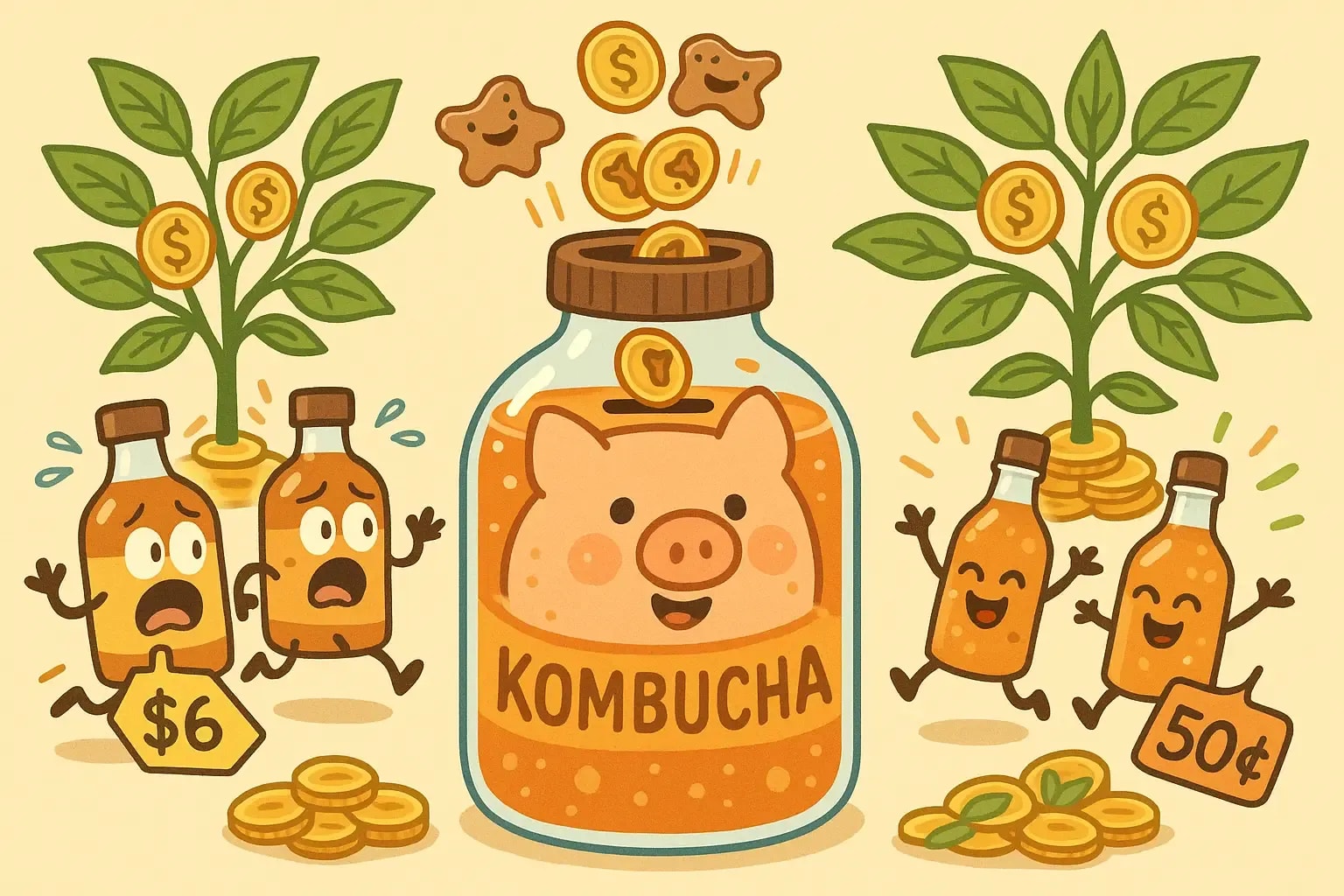
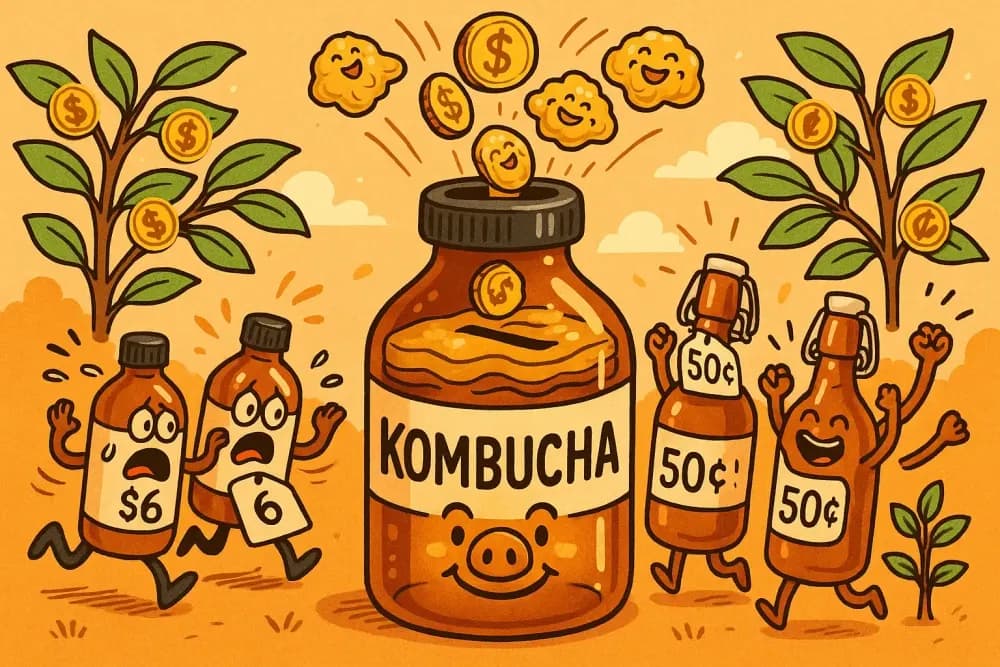
- Save Money: Homemade kombucha costs about $0.50 per bottle vs. $4-6 at the store
- Control Ingredients: No mystery additives or excessive sugar
- Customize Flavors: Create unique combinations you'll never find in stores
- Reduce Waste: Reuse bottles and minimize packaging
- Fresh Probiotics: Maximum live cultures for optimal gut health
Essential Ingredients & Equipment
Ingredients You'll Need:
- 1 SCOBY – Get a quality organic SCOBY with starter tea for best results
- 1 cup of starter tea – Unflavored kombucha from a previous batch or included with your SCOBY
- 4-6 black or green tea bags – Avoid flavored teas, as oils can harm the SCOBY
- 1 cup of sugar – Plain white sugar works best (the SCOBY eats this, not you!)
- 3-4 liters (1 gallon) of filtered water – Chlorinated water can kill your SCOBY
Equipment Essentials:
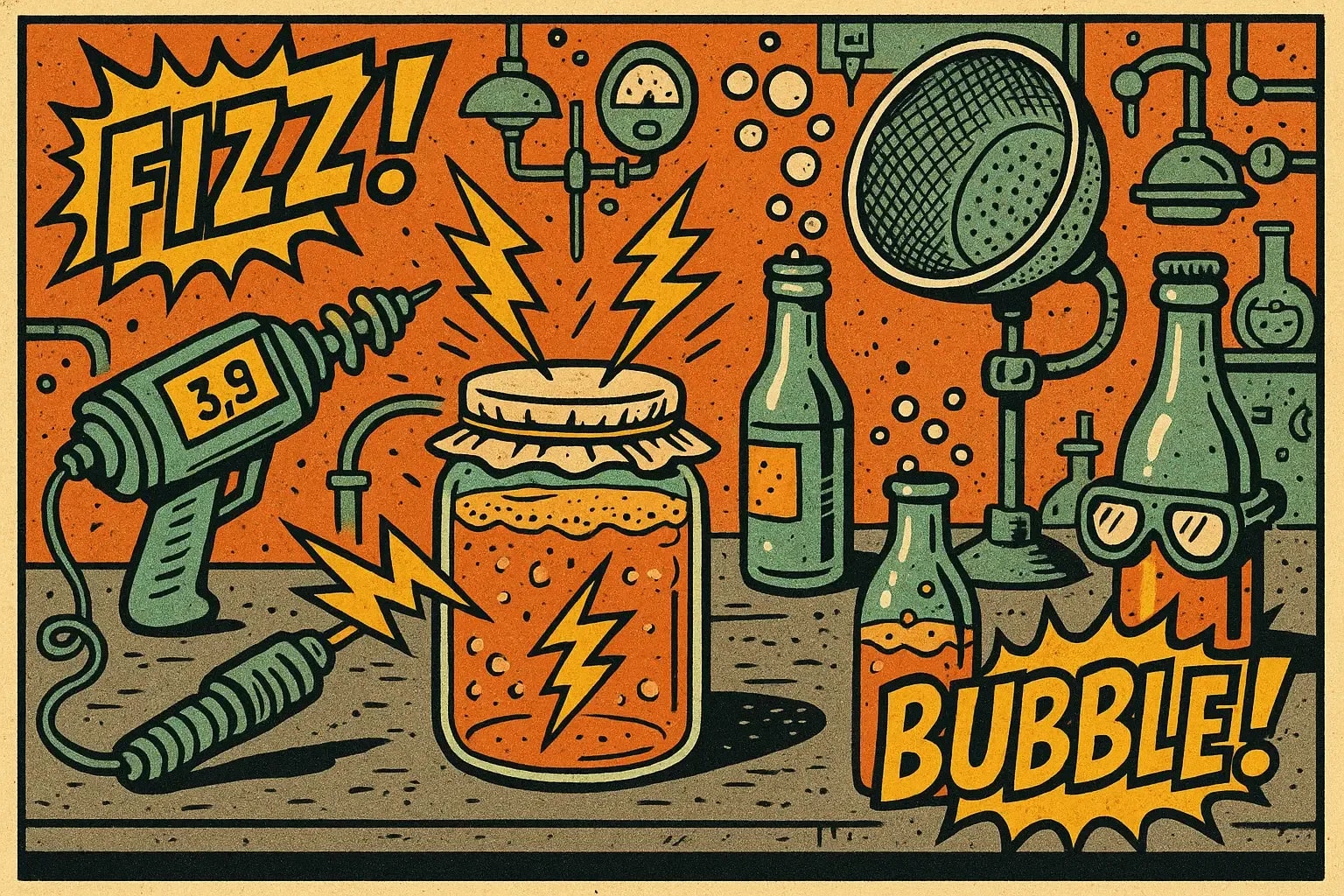
- Large glass jar – Wide-mouth mason jars are perfect for fermentation
- Cloth cover & rubber band – Or use breathable jar lids with holes
- Fine-mesh strainer – A quality stainless steel strainer makes tea prep easier
- Glass bottles for storage – Swing-top bottles work best for carbonation
- pH strips or meter – Optional but helpful; a digital pH meter ensures consistent results
Ready to get serious about kombucha brewing? The Fermentaholics Complete Kombucha Brewing Starter Kit includes everything you need to start your fermentation journey. For larger batches, consider the Pro Kombucha Brewing Kit.
Step-by-Step Brewing Instructions
Step 1: Brew the Sweet Tea Base
Boil 4 cups of water and remove from heat. Steep 4-6 tea bags for 10-15 minutes (black tea) or 5-7 minutes (green tea). Remove tea bags and dissolve 1 cup of sugar in the hot tea. Add remaining cold water to bring to room temperature faster.
Pro tip: The tea must be completely cooled before adding your SCOBY – hot tea will kill it!
Step 2: Prepare Your Fermentation Vessel
Pour the cooled sweet tea into your fermentation jar. Add the full cup of starter tea – this acidifies the brew and prevents bad bacteria from taking hold.
Step 3: Add the SCOBY
With clean hands, gently slide your SCOBY into the jar. It might sink, float, or hover sideways – all perfectly normal! A new SCOBY will form on the surface during fermentation.
Step 4: Create the Perfect Environment
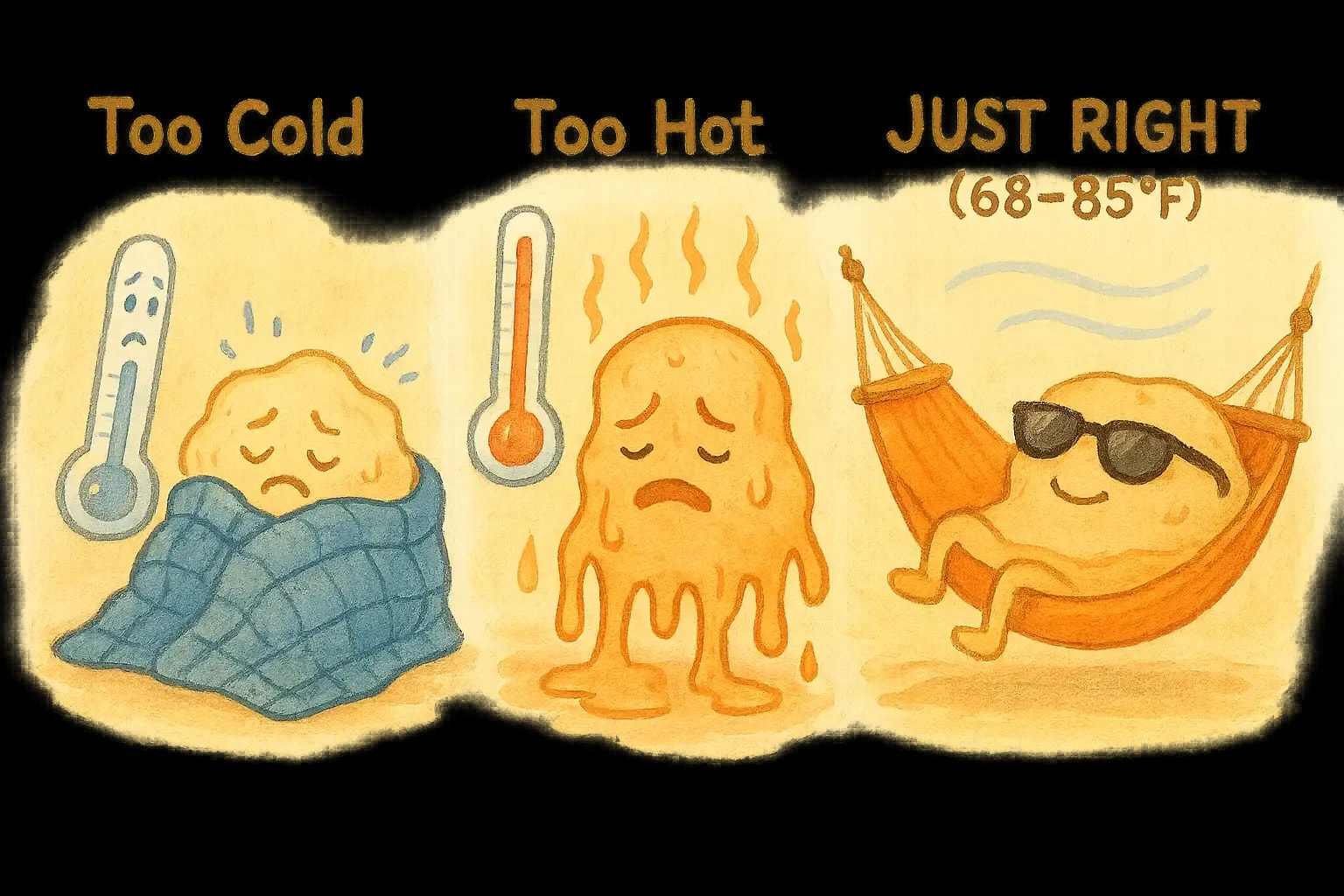
Cover the jar with a tightly woven cloth or coffee filter secured with a rubber band. This keeps dust and fruit flies out while allowing the kombucha to breathe. Place in a warm spot (68-85°F) away from direct sunlight.
Step 5: The Waiting Game (First Fermentation)
Let your kombucha ferment for 7-14 days. The warmer your space, the faster it ferments. After day 5, start tasting daily with a clean spoon. You're looking for a balance between sweet and tart that suits your preference.
Fermentation timeline:
- Days 1-3: Still very sweet
- Days 4-7: Beginning to develop tang
- Days 7-10: Classic kombucha flavor
- Days 10-14: Increasingly sour
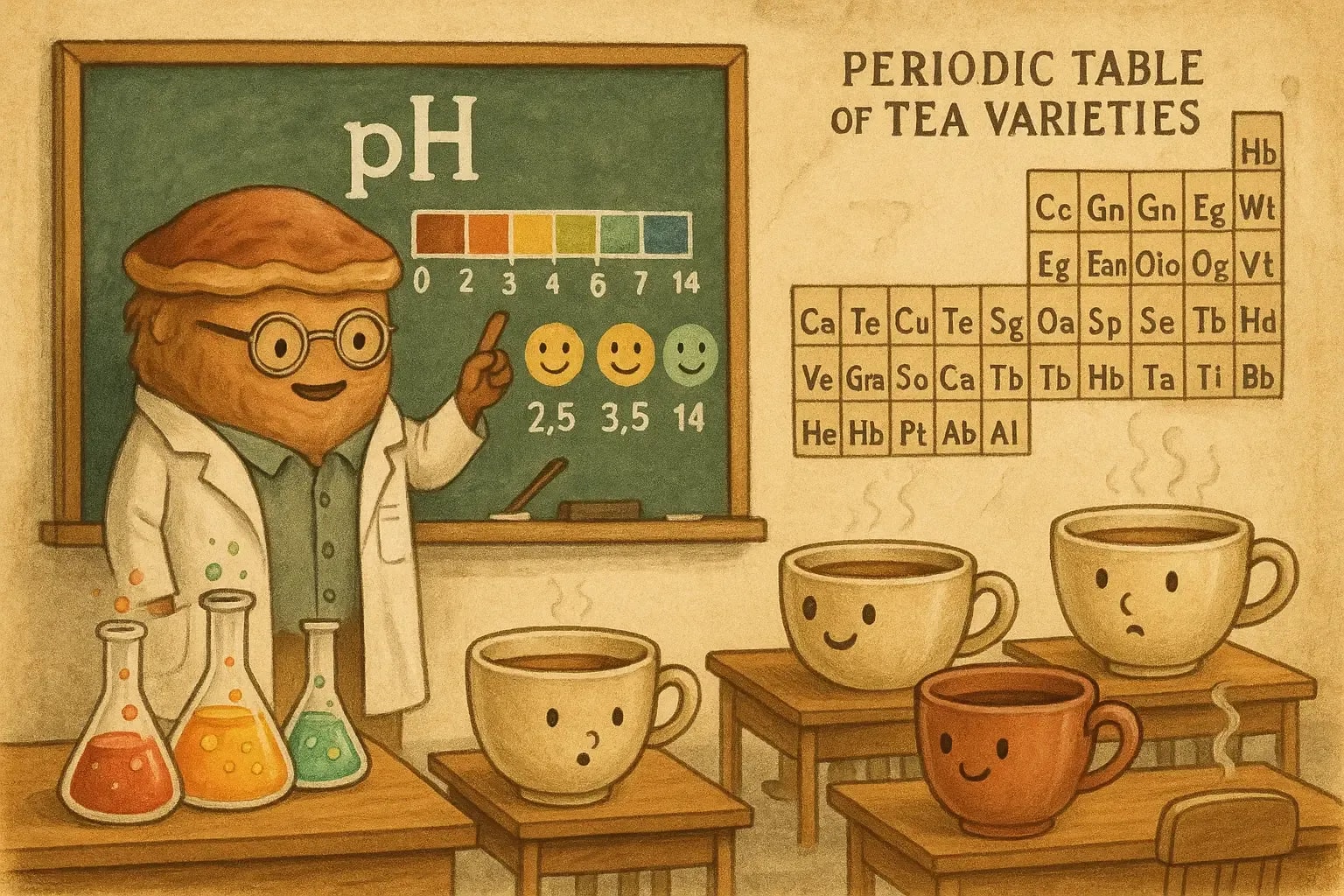
For precision brewing, aim for a pH between 2.5-3.5. A digital pH meter takes the guesswork out of fermentation.
Step 6: Bottle for Carbonation (Second Fermentation)
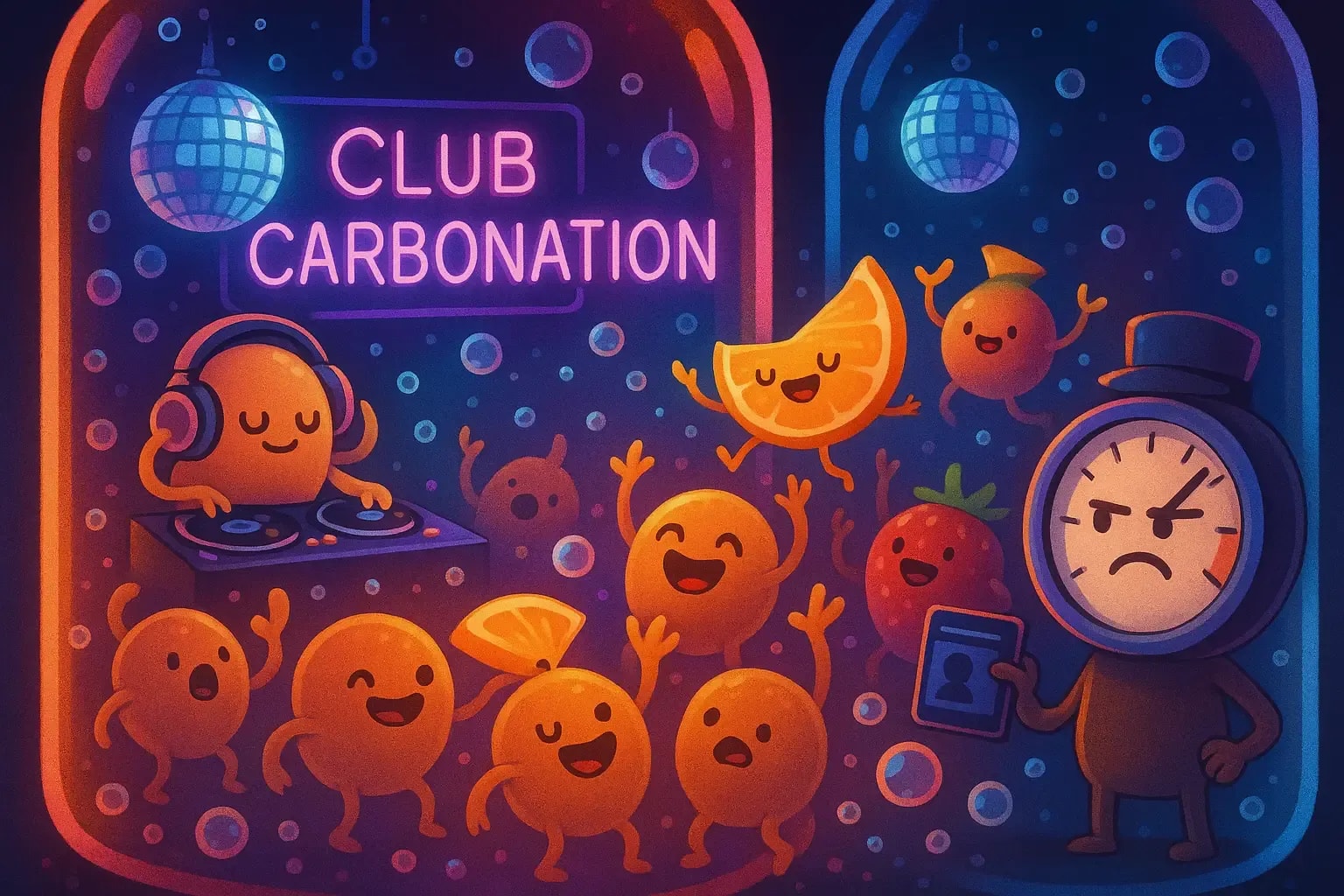
Once your kombucha tastes right, it's bottling time! Reserve your SCOBY and 2 cups of liquid for your next batch. Pour the rest into bottles, leaving 1-2 inches of headspace.
This is where the magic happens – add your favorite flavors (see ideas below) and let bottles sit at room temperature for 2-4 days to build carbonation. Warning: Burp bottles daily to prevent explosions!
Step 7: Refrigerate and Enjoy
Once carbonated to your liking, refrigerate to stop fermentation. Your homemade kombucha will keep for several months, though it's best enjoyed fresh.
Troubleshooting & Safety Tips
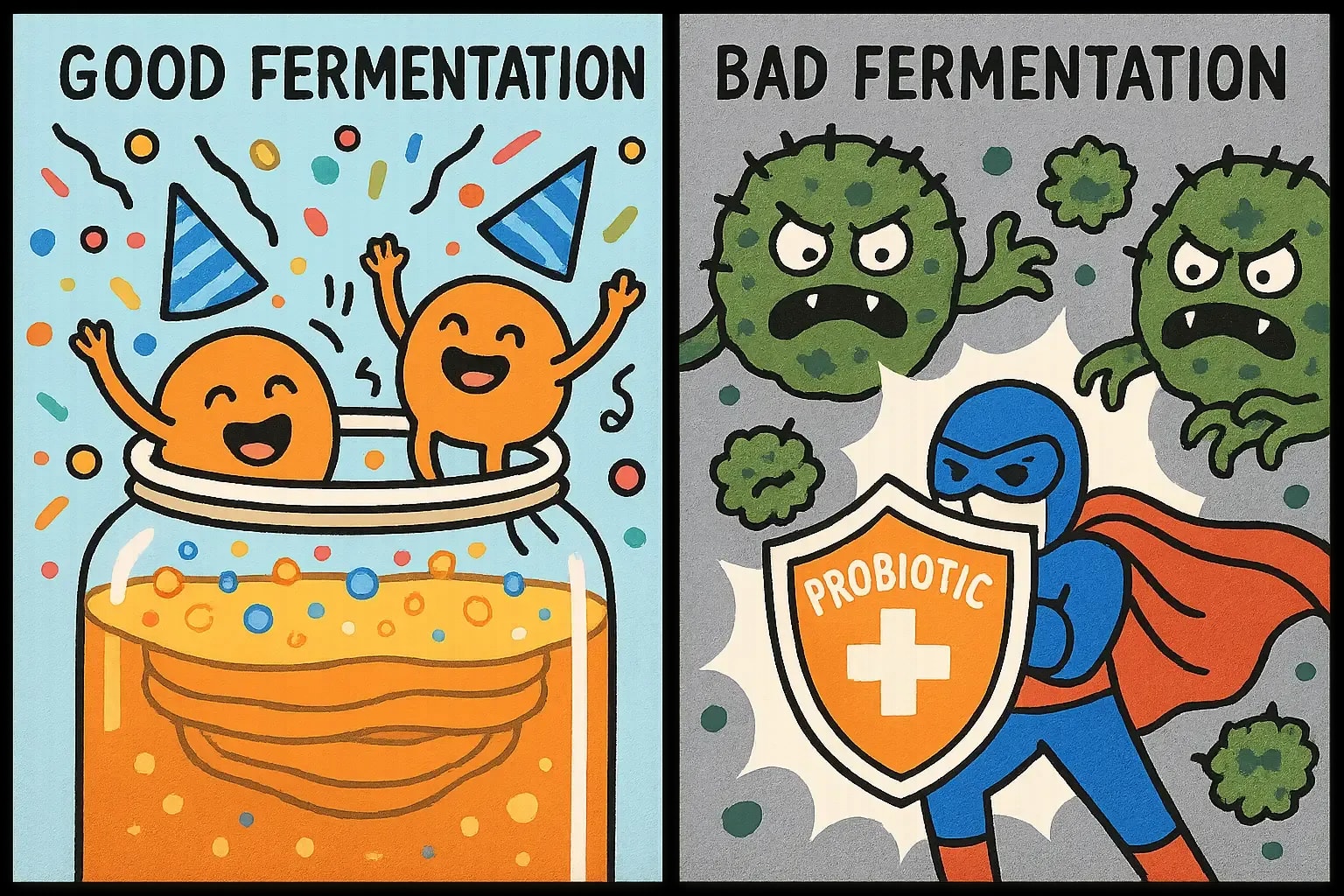
Signs of Success:
✅ Tangy, slightly sweet flavor
✅ New SCOBY forming on surface
✅ pH between 2.5-3.5
✅ Clear or slightly cloudy liquid
Red Flags:
❌ Fuzzy mold (green, black, or blue) – discard everything and start over
❌ Offensive smell (should smell pleasantly vinegary)
❌ No sourness after 14 days (check temperature)
Pro Safety Tips:
- Always use glass, never metal containers
- Keep equipment super clean (but no antibacterial soap!)
- Trust your senses – when in doubt, throw it out
- Label everything with a handy label maker to track brew dates
For comprehensive fermentation wisdom, The Noma Guide to Fermentation offers advanced techniques that apply beautifully to kombucha brewing.
Creative Flavor Combinations
Transform your basic kombucha into gourmet beverages with these tested combinations:
Classic Favorites:
- Ginger-Lemon Zing: 1 tbsp fresh grated ginger + juice of 1/2 lemon
- Berry Blast: 1/4 cup mixed berries (mash slightly for more flavor)
- Tropical Paradise: 2 tbsp pineapple juice + 1 tsp coconut flakes
Adventurous Blends:
- Spiced Chai: 1 cinnamon stick + 3 cloves + 2 cardamom pods
- Garden Fresh: 2 tbsp cucumber slices + 3 fresh mint leaves
- Floral Dream: 1 tsp dried lavender + 1 tsp chamomile
- Green Goddess: 1 tbsp fresh juice from leafy greens + 1/2 apple
Advanced Techniques:
- Hop Addition: Add 1-2 hop pellets for an IPA-inspired brew
- Fruit Purées: Blend fruit before adding for intense flavor
- Herbal Infusions: Steep herbs in a small amount of hot water first
Flavoring tip: Add fruits and herbs during second fermentation only. Adding them to first fermentation can introduce wild yeasts and bacteria that compete with your SCOBY.
SCOBY Care & Continuous Brewing
Building a SCOBY Hotel:

As you brew, you'll accumulate extra SCOBYs. Store them in a jar with kombucha liquid, covered with cloth. Feed with sweet tea monthly. This becomes your backup supply and makes great gifts for fellow fermenters!
Continuous Brew Method:
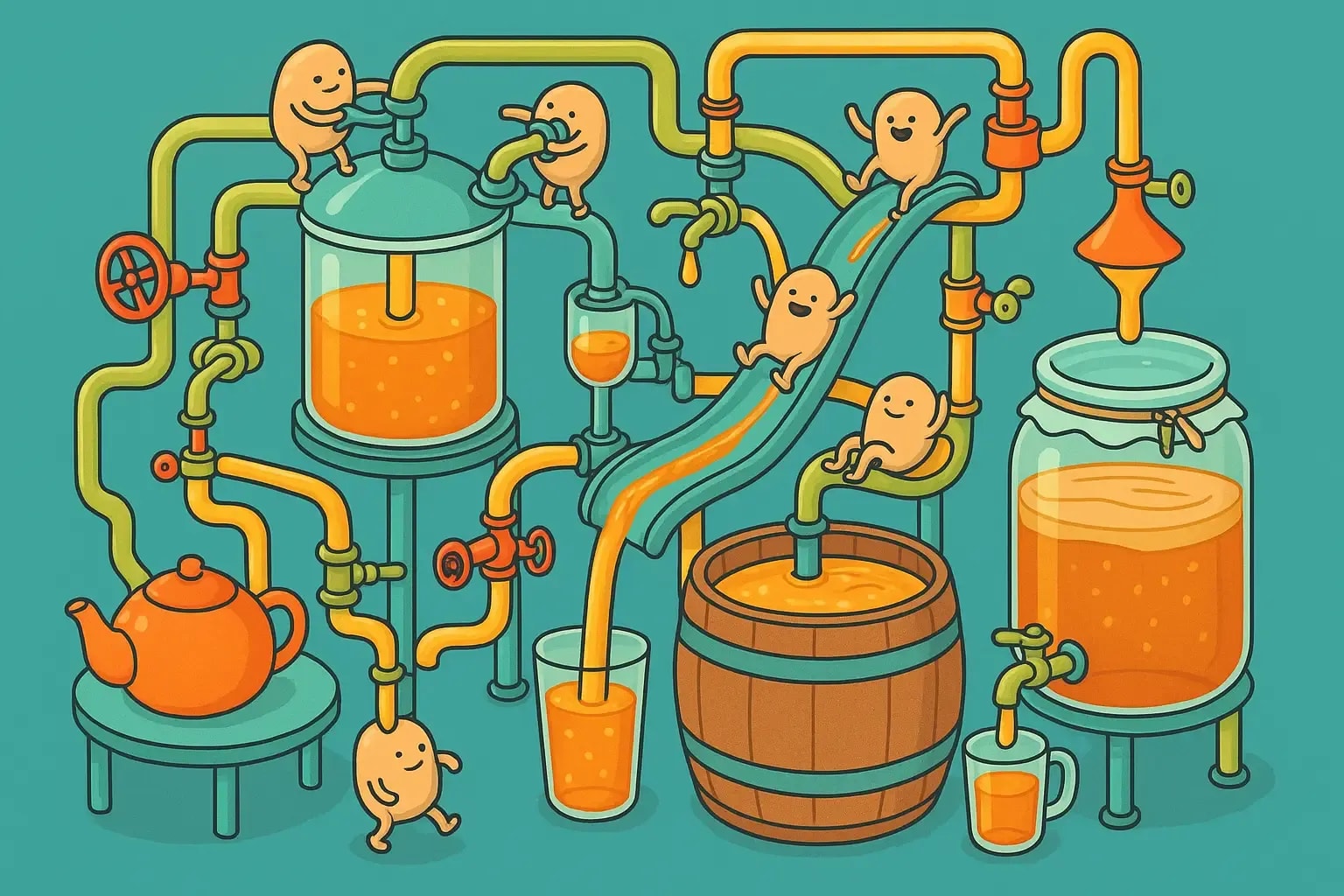
Instead of starting fresh each time, keep a larger vessel (2-5 gallons) continuously fermenting. Draw off finished kombucha from the bottom spigot, and add fresh sweet tea to the top. This method produces consistent results and saves time.
The Deluxe Kombucha Starter Kit includes bottles perfect for storing your continuous brew harvest.
Kombucha vs Jun: Which Should You Brew?

While we love kombucha, have you heard about Jun? Made with green tea and honey instead of black tea and sugar, Jun offers a lighter, more delicate flavor profile. Learn more about the differences between Jun and kombucha or try your hand at brewing Jun at home.
FAQs: Your Kombucha Questions Answered

How much kombucha should I drink?
Start with 4-8 oz daily and gradually increase. Some people enjoy up to 16 oz daily, but listen to your body.
Can I use honey instead of sugar?
Not for traditional kombucha – the SCOBY needs cane sugar. However, you can make Jun with honey! Check out our Jun brewing guide for details.
Why is my kombucha not fizzy?
Carbonation happens during second fermentation in sealed bottles. Make sure bottles are airtight and add a pinch of sugar or fruit for the yeasts to eat.
Is the alcohol content safe for everyone?
Properly fermented kombucha contains less than 0.5% alcohol. However, pregnant women and those avoiding alcohol should consult their healthcare provider.
Can I reuse store-bought kombucha bottles?
Absolutely! Just ensure they're thoroughly cleaned. Swing-top bottles work best for building carbonation.
Start Your Kombucha Journey Today!

Brewing kombucha at home is more than just a hobby – it's a journey into the fascinating world of fermentation. With each batch, you'll develop intuition for the perfect brew and discover flavor combinations that make your taste buds sing.
Remember, every master brewer started with their first uncertain batch. Embrace the process, learn from each brew, and soon you'll be crafting kombucha that rivals any artisanal brand. Your gut, your wallet, and your taste buds will thank you!

Ready to dive deeper into fermentation? Explore our guides on Jun brewing and discover which fermented tea is right for you. Happy brewing!