How to Make Tempeh at Home (Complete Guide)
Learn to make protein-rich, enzyme-packed tempeh from scratch using soybeans and rhizopus culture. Perfect for plant-based diets and fermentation enthusiasts.
Make It Yours
Recipe Overview
Dietary Information
Ingredients
InstructionsEnjoy the process
Understanding Tempeh Fermentation
Tempeh is created through fermentation with Rhizopus oligosporus, a beneficial mold that binds soybeans into a firm, sliceable cake. Unlike probiotic foods fermented with lactic acid bacteria, tempeh's value lies in its enhanced protein digestibility, enzyme content, and nutrient bioavailability. The fermentation process breaks down complex proteins and produces B vitamins, making this ancient Indonesian food a nutritional powerhouse.
Important Safety Note: Tempeh must always be cooked before eating. The cooking process improves digestibility and ensures food safety.
Preparing Your Workspace
Before beginning, ensure all equipment is thoroughly cleaned. While tempeh fermentation is relatively forgiving due to the Rhizopus culture's competitive advantage, cleanliness helps ensure the best results.
Gather:
- Large pot for cooking soybeans
- Colander for draining
- Clean kitchen towels
- Mixing bowl
- Perforated bags (ziplock bags with holes poked every ½ inch) or banana leaves
- Incubation setup (details below)
Day 1: Soaking and Cooking the Soybeans
Inoculating with Tempeh Starter
Packing for Fermentation
Incubation and Monitoring
- Dehydrator set to 88°F (31°C) with trays removed
- Oven with light on (test temperature first)
- Heating pad wrapped in towels
- Cooler with temperature-controlled heating element
- Beans are completely covered in white mycelium
- The cake is firm and holds together when you lift it
- It has a pleasant mushroom-like, nutty aroma
- A slight ammonia smell is normal - this is a natural byproduct of protein breakdown
Important sensory guide:
- ✓ Normal: Pleasant mushroom/nutty aroma, slight earthy smell, faint ammonia scent
- ✗ Warning signs: Strong, pungent chemical ammonia smell combined with slimy texture, dark spots (not gray, but black or green), or foul odor
Storing and Using Your Tempeh
- Steam: 10-15 minutes until heated through
- Pan-fry: Slice ¼-inch thick, fry in oil over medium heat until golden brown on both sides (5-7 minutes per side)
- Bake: Cut into desired shapes, brush with oil or marinade, bake at 375°F (190°C) for 20-25 minutes, flipping halfway
- Simmer: Add to soups or stews and simmer for at least 15 minutes
Troubleshooting
Fermentation too slow or no growth: Temperature likely too low. Ensure consistent 85-90°F (29-32°C). Starter culture may be old - check expiration date.
Beans didn't bind together: Beans may have been too wet, or fermentation time too short. Ensure beans are thoroughly dried before inoculating, and give full 30-36 hours if needed.
Strong ammonia smell: Some ammonia is normal, but if it's overwhelming and combined with sliminess, the fermentation may have gone too long or gotten too hot. Reduce fermentation time slightly next batch.
Colored mold (green, pink, yellow): Contamination occurred. Discard and ensure better sanitation next time. Check that beans were properly dried and starter culture was fresh.
Your Tempeh Journey
Making tempeh at home connects you to an ancient Indonesian tradition while providing your kitchen with an incredibly versatile, protein-rich ingredient. Each batch teaches you more about the rhythm of fermentation - the way temperature, time, and culture work together to transform simple soybeans into something extraordinary. The white mycelium binding your beans is Rhizopus oligosporus working its magic, breaking down proteins and creating enzymes that make this food so digestible and nutritious.
Don't be discouraged if your first batch isn't perfect. Tempeh-making is forgiving, and even slightly imperfect tempeh is delicious when cooked properly. Welcome to the world of tempeh crafting!
Recommended Equipment3 items
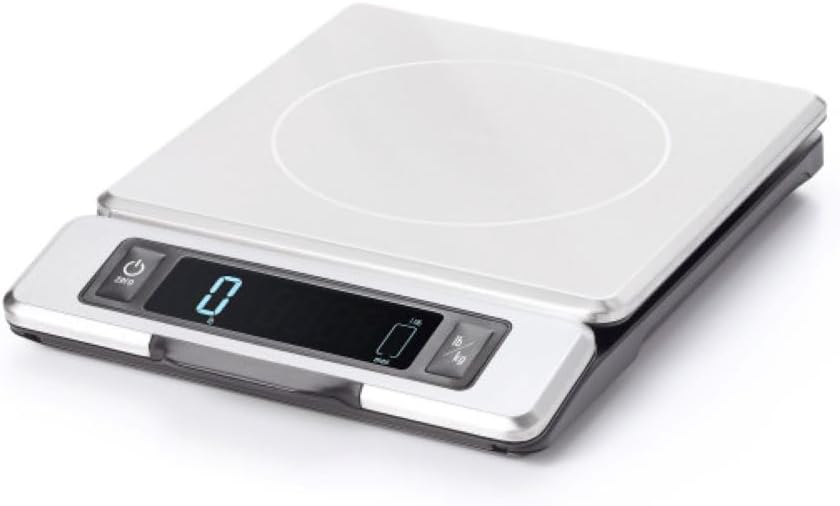
OXO Good Grips 11-Pound Stainless Steel Food Scale with Pull-Out Display
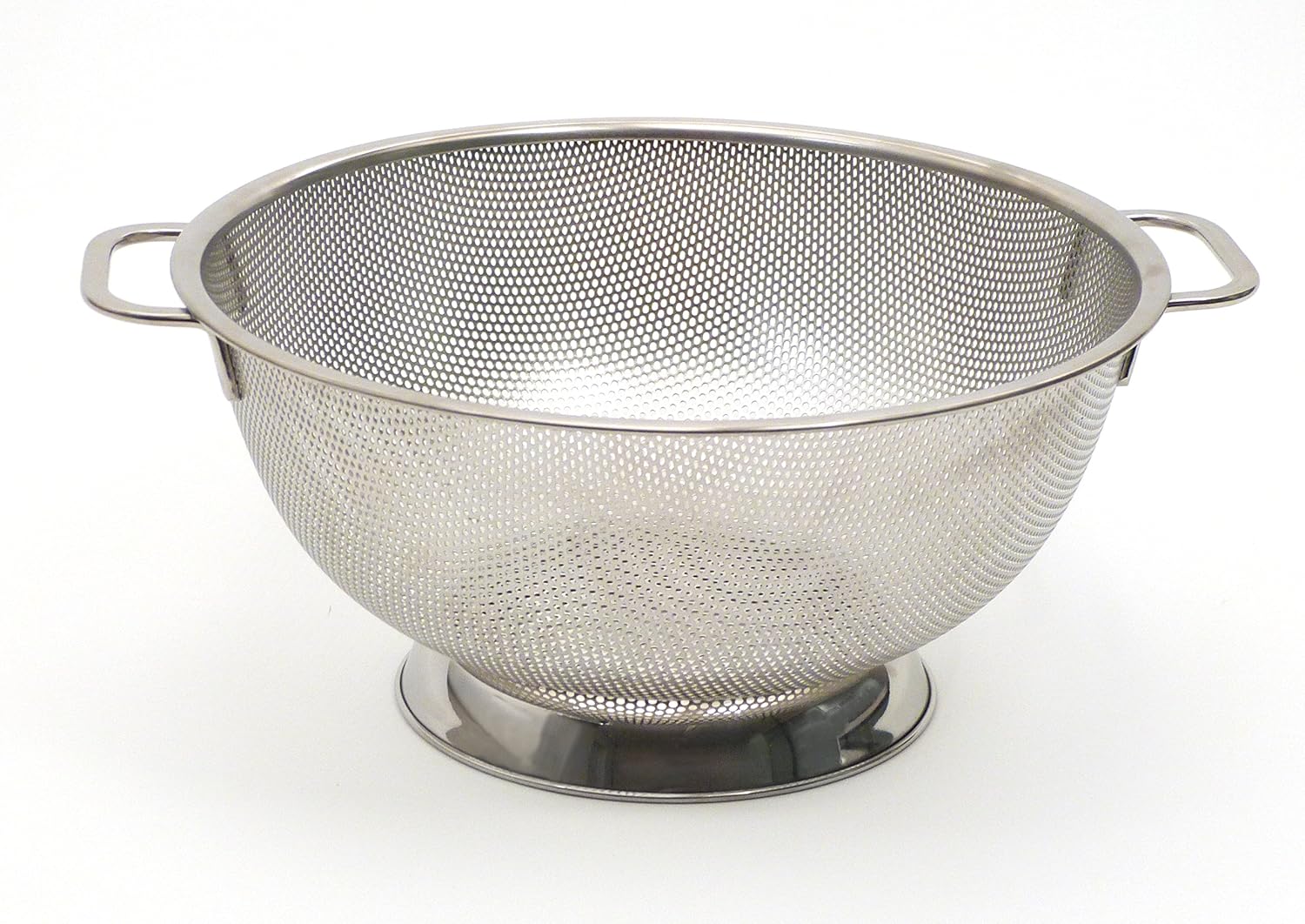
RSVP International Endurance Stainless Steel Precision Pierced Colander, 5-Quart (4.7L)