Beet Horseradish Ferment
A vibrant, peppery fermented condiment combining earthy beets with the sharp bite of horseradish. Perfect for adding probiotic punch to meals and supporting digestive wellness.
Make It Yours
Recipe Overview
Dietary Information
Ingredients
InstructionsEnjoy the process
Preparing Your Ingredients
Creating the Brine
Assembling Your Ferment
Fermentation Phase
Finishing and Storage
Serving Suggestions
- Use as a condiment with roasted vegetables, grains, or proteins
- Add a spoonful to soups for probiotic boost
- Serve alongside cured meats or cheese boards
- Mix into salad dressings for extra tang
- Take a small spoonful as a digestive aid before meals
Troubleshooting
White film on surface (kahm yeast): This is harmless but undesirable. Skim it off and ensure vegetables stay submerged. It won't harm your ferment but can affect flavor.
Pink or orange discoloration: This is normal! Beet pigments can create beautiful colors. If it smells fine and tastes fine, it's safe.
Mushy texture: This usually means fermentation was too warm or too long. Next time, ferment at cooler temperatures (65-68°F / 18-20°C) and taste earlier.
No bubbles by day 3: Don't worry—fermentation is happening even without visible bubbles. Check the brine for cloudiness and taste for tanginess. If nothing has changed by day 5, your salt concentration may be off or the temperature too cold.
More to discover
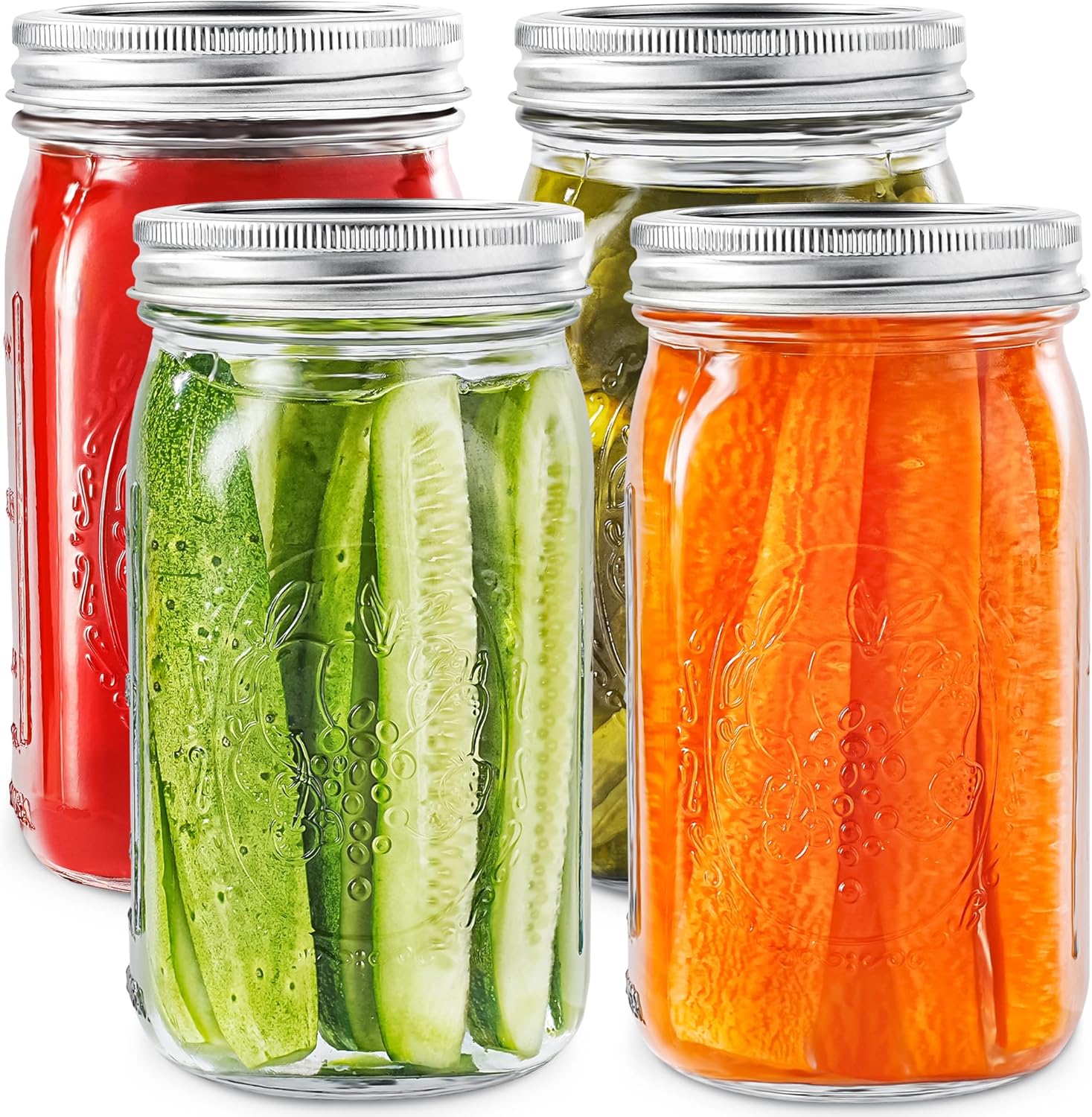
Recommended Equipment4 items
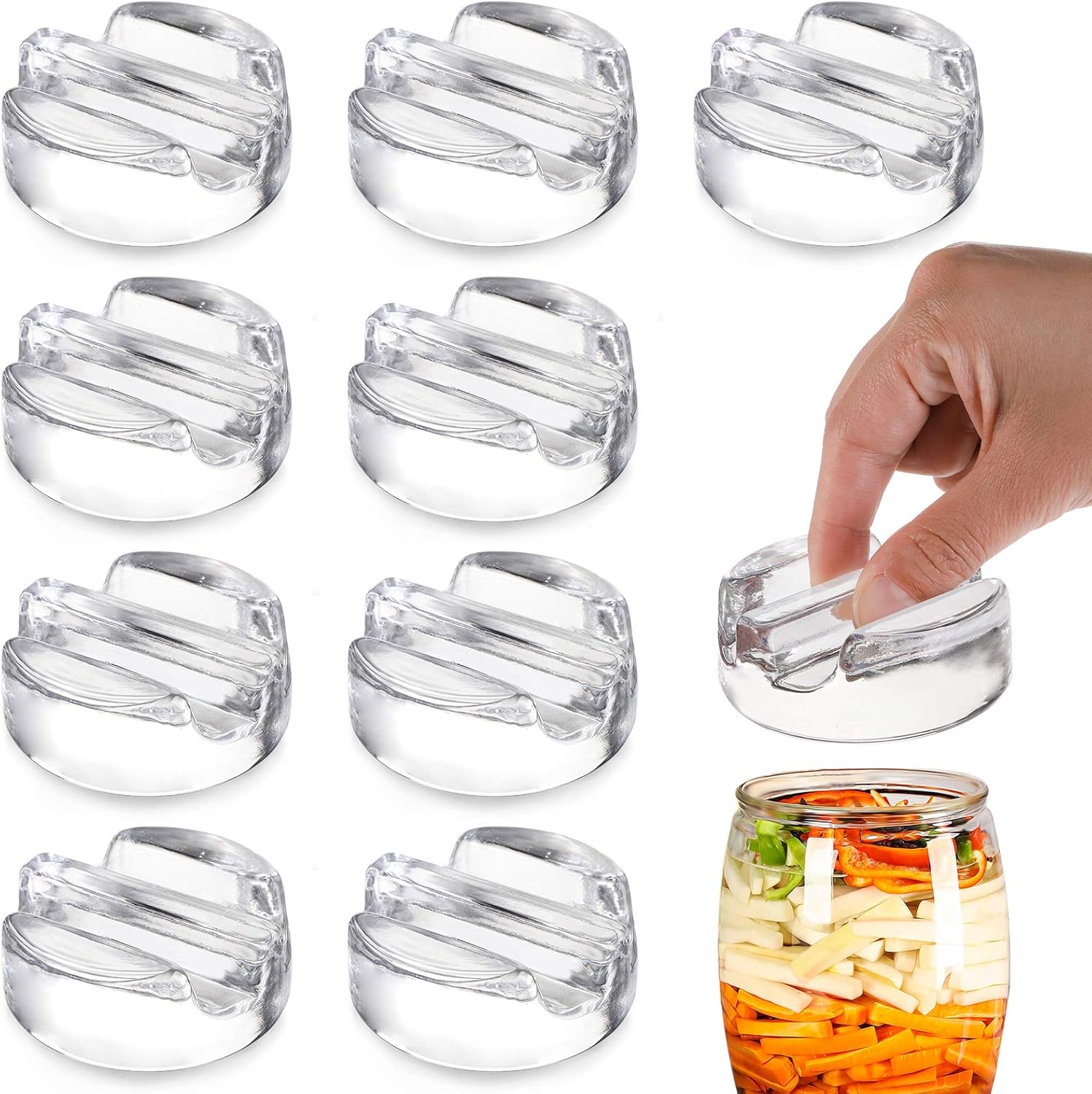
TOPZEA Fermentation Glass Weights (9-Pack) for Wide Mouth Mason Jars
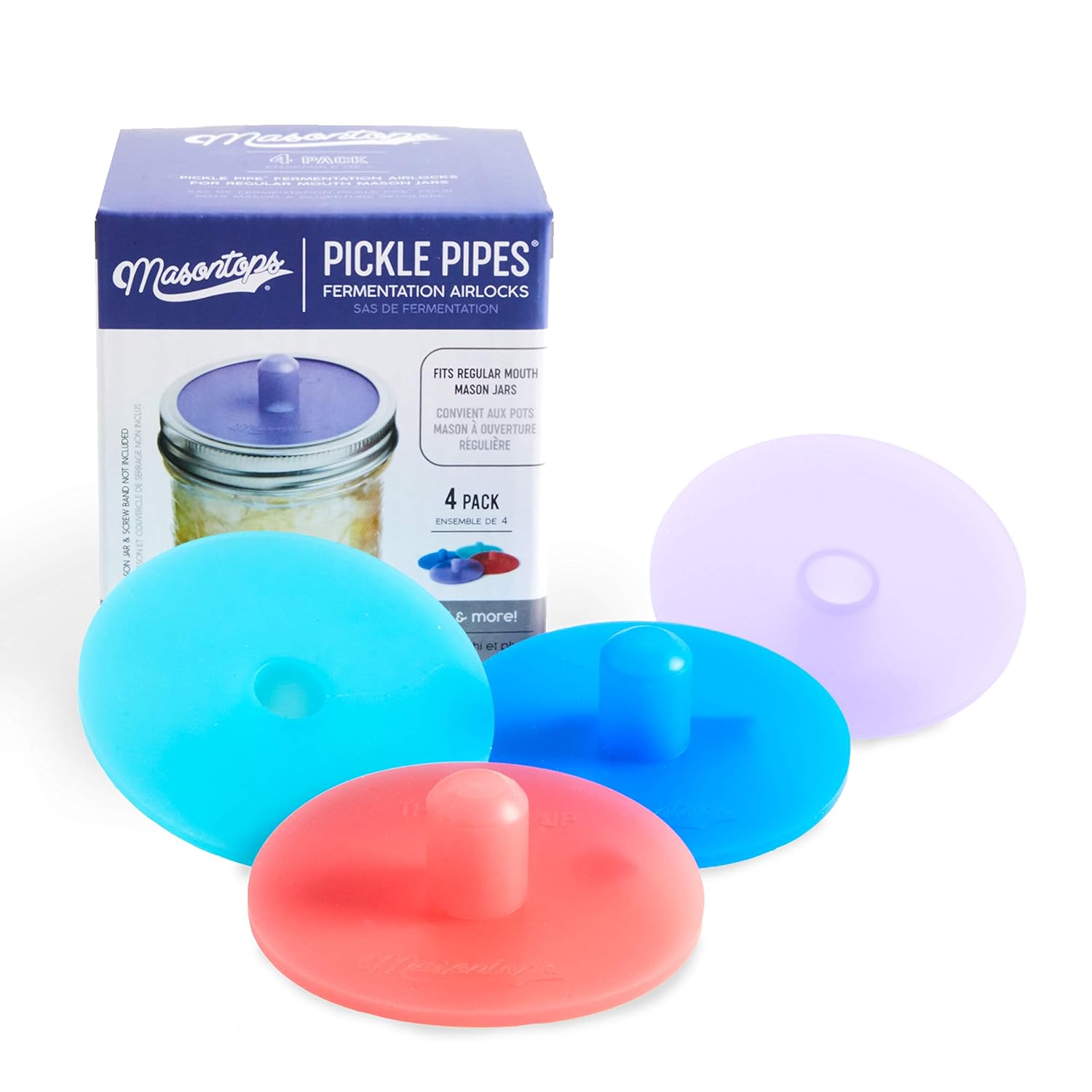
Masontops Pickle Pipes – Airlock Fermentation Lids (Small Mouth, 4-Pack)
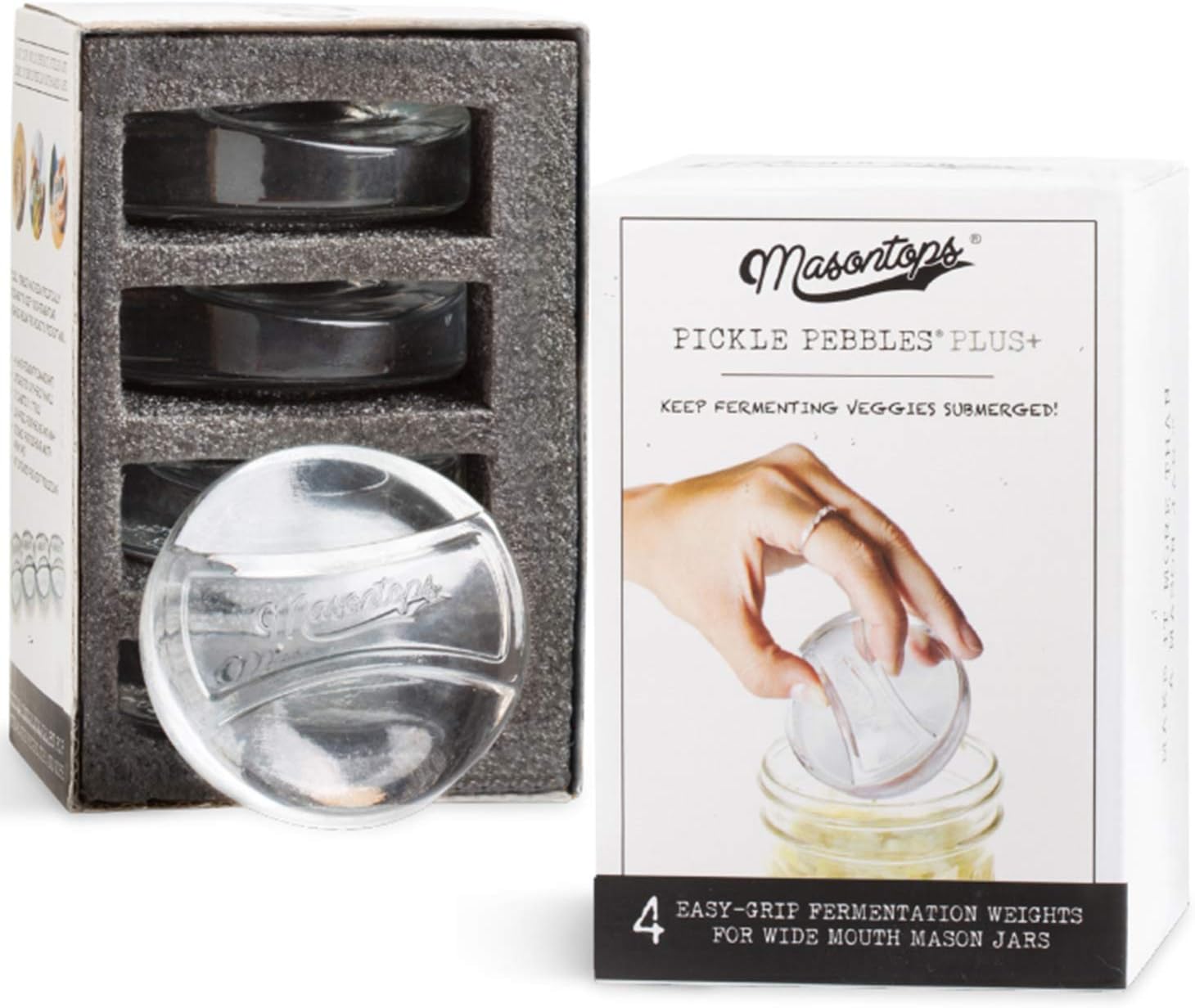
Masontops Pickle Pebbles – Glass Weights for Wide Mouth Mason Jar Fermentation (4-Pack)