Homemade Chickpea Tempeh - High-Protein Fermented Legume
Transform chickpeas into protein-rich tempeh through traditional Indonesian fermentation. Enhanced digestibility and bioavailable nutrients make this perfect for plant-based diets.
Make It Yours
Recipe Overview
Dietary Information
Ingredients
InstructionsEnjoy the process
Understanding Tempeh Safety
Before beginning, it's important to understand that tempeh safety relies on complete colonization by white Rhizopus mycelium, not acid preservation. The vinegar serves as a supplementary measure to discourage competing bacteria during the initial fermentation phase. Proper tempeh should be completely covered in white, fuzzy mycelium with a pleasant mushroom-like aroma. Any signs of pink, yellow, green, or black mold indicate contamination and the batch must be discarded.
Preparing Your Workspace
Sanitize everything: Clean all equipment, work surfaces, and your hands thoroughly. While tempeh fermentation is more forgiving than some ferments, starting clean gives your Rhizopus culture the best chance to dominate.
Set up your fermentation environment: Identify a location that can maintain 85-90°F (29-32°C) consistently. Options include: a dehydrator set to low, an oven with the light on, a heating pad with temperature control, or a warm spot in your home. Use a food-grade thermometer to verify and monitor temperature throughout fermentation - check every 6-8 hours.
Soaking and Dehulling the Chickpeas
Cooking the Chickpeas
Inoculating with Starter Culture
Preparing Fermentation Containers
- Perforated plastic bags (traditional method): Use food-grade ziplock bags. Poke holes every ½ inch (1.5cm) with a sterilized needle or toothpick. Holes allow oxygen in (Rhizopus needs oxygen) while maintaining humidity.
- Perforated bamboo steamer baskets: Line with banana leaves or parchment paper with holes poked through.
- Breathable cloth-lined trays: Use clean cotton cloth in shallow trays, covered loosely with more cloth.
- Specialized tempeh fermentation boxes: If you have them, follow manufacturer instructions.
Fermentation Process
- Hours 0-12: No visible change is normal. The culture is establishing itself.
- Hours 12-18: You should begin to see white, fuzzy growth appearing. If you see no growth by 18 hours, your culture may not be viable or temperature may be incorrect.
- Hours 18-24: White mycelium should be spreading across the surface and beginning to bind the chickpeas together.
- Hours 24-36: The tempeh should be completely covered in white mycelium, forming a solid cake. You may notice the temperature of the tempeh itself rising slightly - this is normal metabolic heat from the Rhizopus.
- Completely covered in white mycelium with no bare chickpeas visible
- Firm cake that holds together when lifted
- Pleasant aroma - should smell mushroom-like, nutty, or slightly sweet
- No off-colors - any pink, yellow, green, or black spots indicate contamination
Safety Assessment and Storage
- White mycelium coverage: Should be complete and uniform. Small gray or black spots on the surface are normal spores, but any pink, yellow, or green mold requires discarding the batch.
- Smell test: Should be pleasant and mushroom-like. Any ammonia, rotten, or foul odors mean the batch failed - discard it.
- Texture: Should be firm and cake-like. If it's slimy or has an unusual texture, discard.
When in doubt, throw it out. Incomplete mycelium coverage or any signs of contamination require discarding the batch.
- Refrigerator: Wrap in paper or breathable material and store for up to 7 days. The mycelium may continue to grow slowly, which is fine.
- Freezer: Wrap tightly and freeze for up to 3 months. Slice before freezing for easier use.
Using Your Tempeh
Fresh tempeh should be cooked before eating. The fermentation process has already made the chickpea proteins more digestible and increased nutrient bioavailability by 10-15%. Popular cooking methods include:
- Steaming for 10 minutes to mellow the flavor
- Pan-frying in slices until golden and crispy
- Baking at 350°F (175°C) for 20-25 minutes
- Crumbling into stir-fries, tacos, or pasta sauces
Nutritional Benefits
While tempeh contains some beneficial microorganisms, its primary health benefit is improved digestibility of legume proteins through enzymatic fermentation. The Rhizopus mold produces enzymes that break down complex proteins and carbohydrates, making nutrients more bioavailable. Each serving (approximately 50g) provides:
- Calories: 180-200
- Protein: 15-18g of highly digestible, complete protein
- Carbohydrates: 12-14g
- Fiber: 6-8g
- Fat: 3-4g (primarily healthy unsaturated fats)
The fermentation process increases amino acid bioavailability by 10-15% and produces beneficial mycoprotein. Tempeh is also rich in B vitamins, particularly B12 (though not in amounts sufficient to meet daily needs), and minerals like iron, calcium, and magnesium in more absorbable forms.
Troubleshooting
No growth after 18 hours: Temperature too low, culture not viable, or chickpeas too wet. Check temperature with thermometer and ensure chickpeas were completely dry.
Colored mold (pink, yellow, green): Contamination occurred. Discard and start over with better sanitation and drier chickpeas.
Ammonia smell: Over-fermented or bacterial contamination. Discard. Next time, check earlier or reduce temperature slightly.
Tempeh won't bind together: Chickpeas may have been too dry, temperature inconsistent, or hulls not removed sufficiently. It may still be safe to eat if it smells good and is covered in white mycelium.
Black spots: Usually normal Rhizopus spores forming as the culture matures. If the spots are fuzzy black mold rather than flat spores, discard.
You've created something truly special - a traditional fermented food that nourishes both body and gut. Each batch teaches you more about the beautiful dance between human intention and microbial transformation.
Recommended Equipment4 items
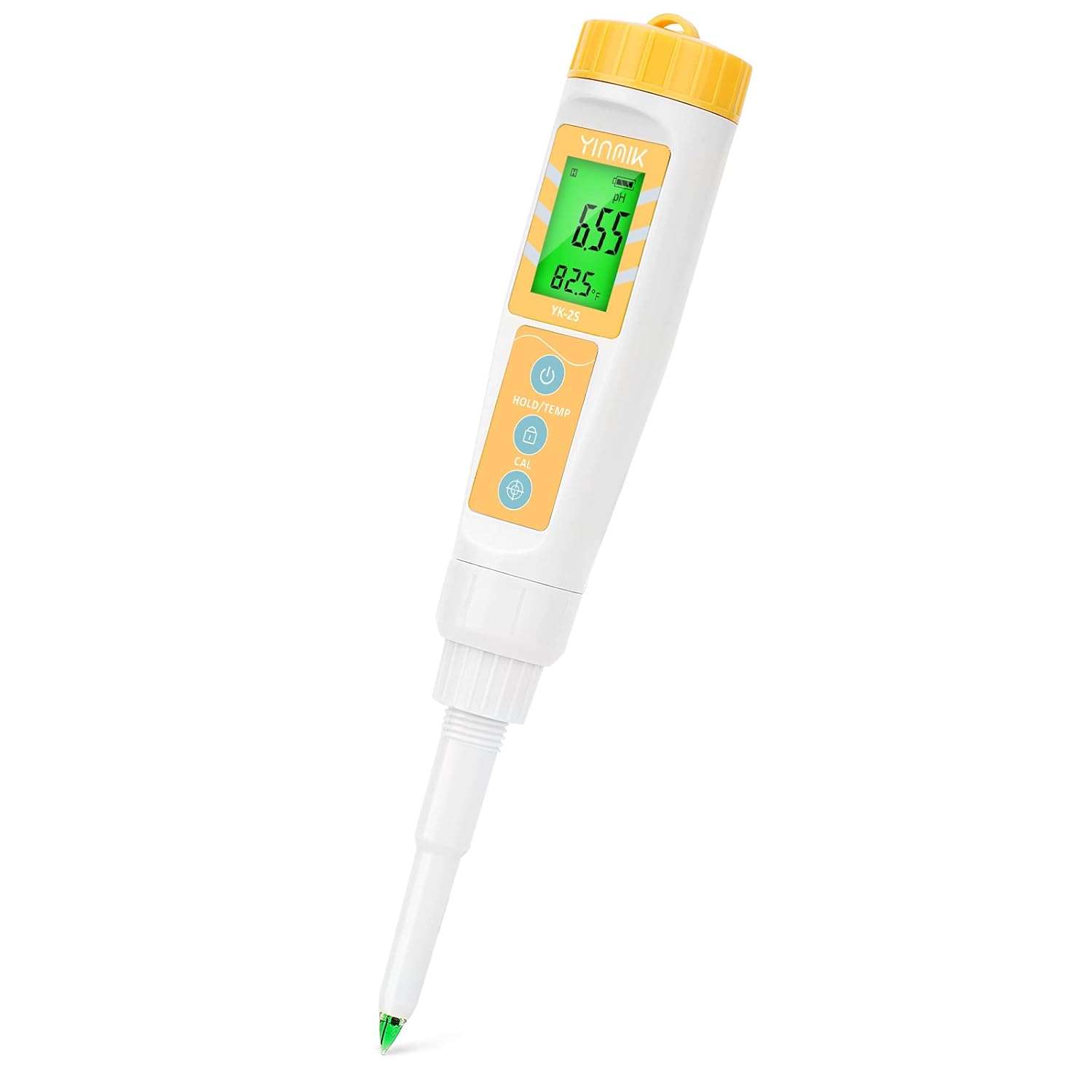
YINMIK Digital pH Meter for Food
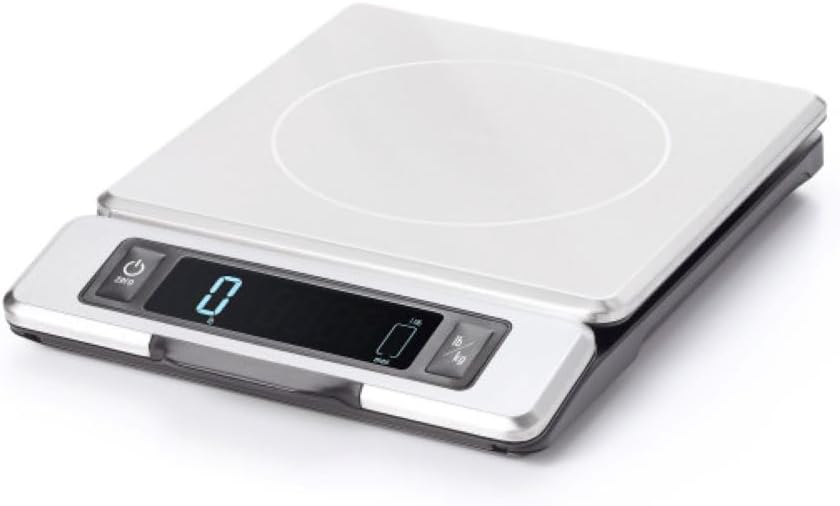
OXO Good Grips 11-Pound Stainless Steel Food Scale with Pull-Out Display
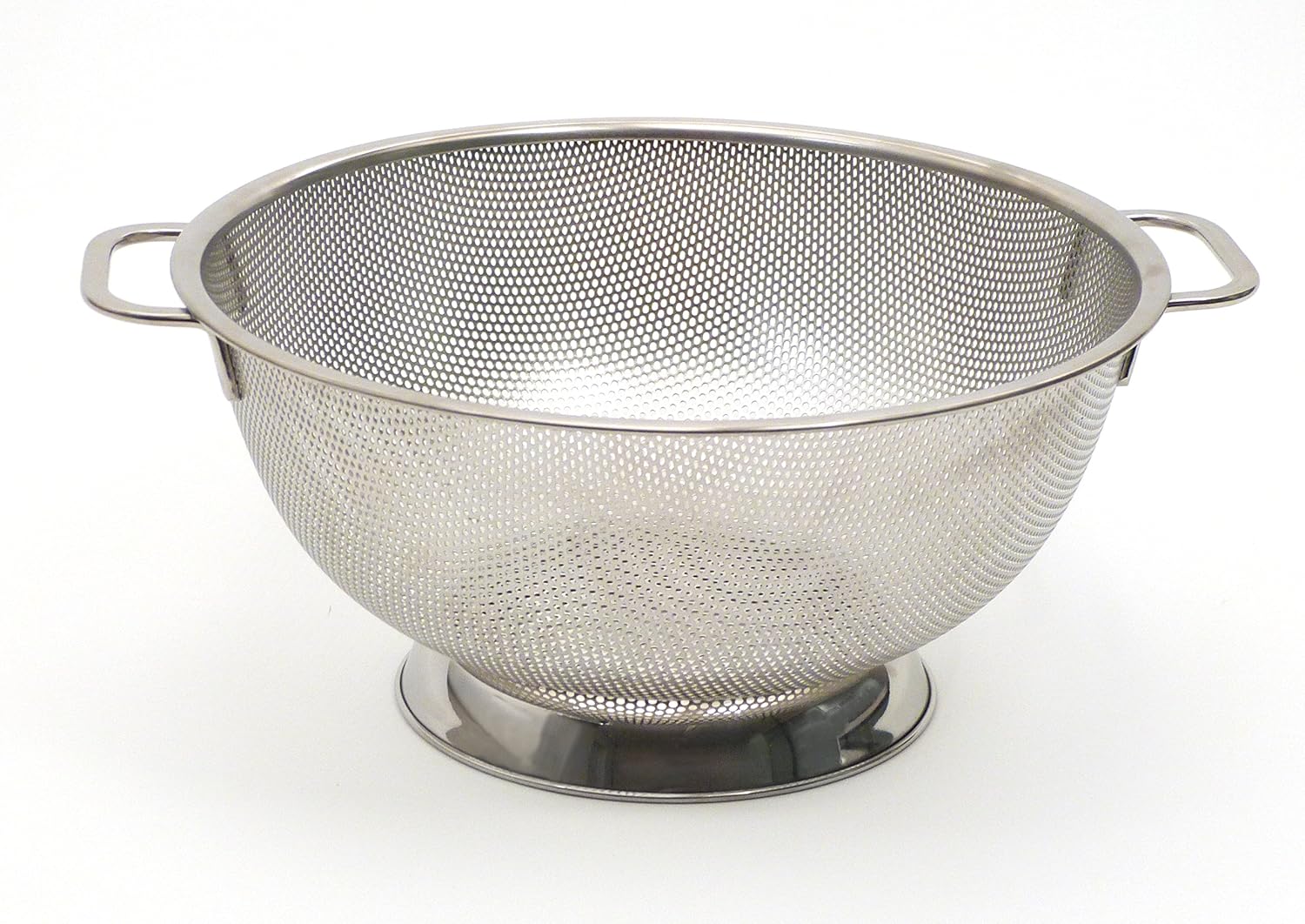
RSVP International Endurance Stainless Steel Precision Pierced Colander, 5-Quart (4.7L)