Traditional Turkish Boza (Fermented Millet Drink)
A creamy, slightly tangy fermented millet beverage from Turkey with probiotic benefits. This unique sweet-sour drink has nourished communities for centuries as a warming winter tradition.
Make It Yours
Recipe Overview
Dietary Information
Ingredients
InstructionsEnjoy the process
Understanding Boza Fermentation
Boza is a mixed fermentation beverage, meaning it relies on both yeast (primarily Saccharomyces cerevisiae) and lactic acid bacteria (mainly Lactobacillus species) working together. The yeast converts sugars to alcohol and carbon dioxide, while the bacteria produce lactic acid that gives boza its characteristic tang and ensures safety through acidification. This recipe includes a small amount of yeast to ensure reliable fermentation, though traditional methods rely entirely on wild microorganisms.
Important Safety Note: Boza's safety depends on achieving proper acidification (pH 3.5-4.2). You'll need pH test strips or a digital pH meter to verify safe fermentation. Without adequate acid development, harmful bacteria could grow.
Preparing Your Workspace
Before beginning, ensure all equipment is thoroughly cleaned with hot soapy water and rinsed well. You'll need a large pot, fine-mesh strainer or cheesecloth, whisk, and a clean glass jar or food-grade plastic container (at least 2-quart/2-liter capacity) for fermentation.
Gather your pH testing supplies now—you'll need them on day 2 and 3.
Cooking the Millet Base
Making the Boza Base
Starting Fermentation
Monitoring Fermentation and Safety
Critical Safety Check: If at any point your boza develops mold (fuzzy growth on the surface), pink or orange discoloration, or smells putrid or rotten (rather than tangy-yeasty), discard it immediately and start over. These are signs of contamination.
Finishing and Storage
Storage and Shelf Life
Properly fermented boza (pH 3.5-4.2) will keep refrigerated for 5-7 days. The flavor will continue to develop, becoming tangier over time. Shake or stir before serving as separation is natural. If you notice any mold, off-odors, or the boza becomes excessively sour, discard it.
Fermentation Troubleshooting
Fermentation too slow: If after 48 hours there's minimal bubbling or tang, your environment may be too cold. Move to a warmer spot (72-75°F/22-24°C is ideal) and give it another 24 hours.
Fermentation too fast or strong alcohol smell: If fermentation is very vigorous or smells strongly of alcohol, your environment may be too warm (above 80°F/27°C). This increases contamination risk. Move to a cooler location and monitor pH closely.
pH won't drop: If after 72 hours the pH is still above 4.2, the fermentation may not have enough active cultures. You can add 2 tablespoons of plain yogurt with live cultures or a squeeze of lemon juice to help acidify, then continue fermenting for 12 more hours.
Temperature and Safety Guidelines
Ideal fermentation range: 68-75°F (20-24°C) Acceptable range: 65-78°F (18-26°C) Below 65°F (18°C): Fermentation will be very slow and may stall Above 80°F (27°C): Increased risk of contamination by undesirable bacteria
Remember: Fermentation must not proceed beyond 3 days without pH verification. The combination of proper acidification (pH 3.5-4.2) and salt (1-2% by weight) provides the preservation that makes boza safe to consume.
Recommended Equipment7 items
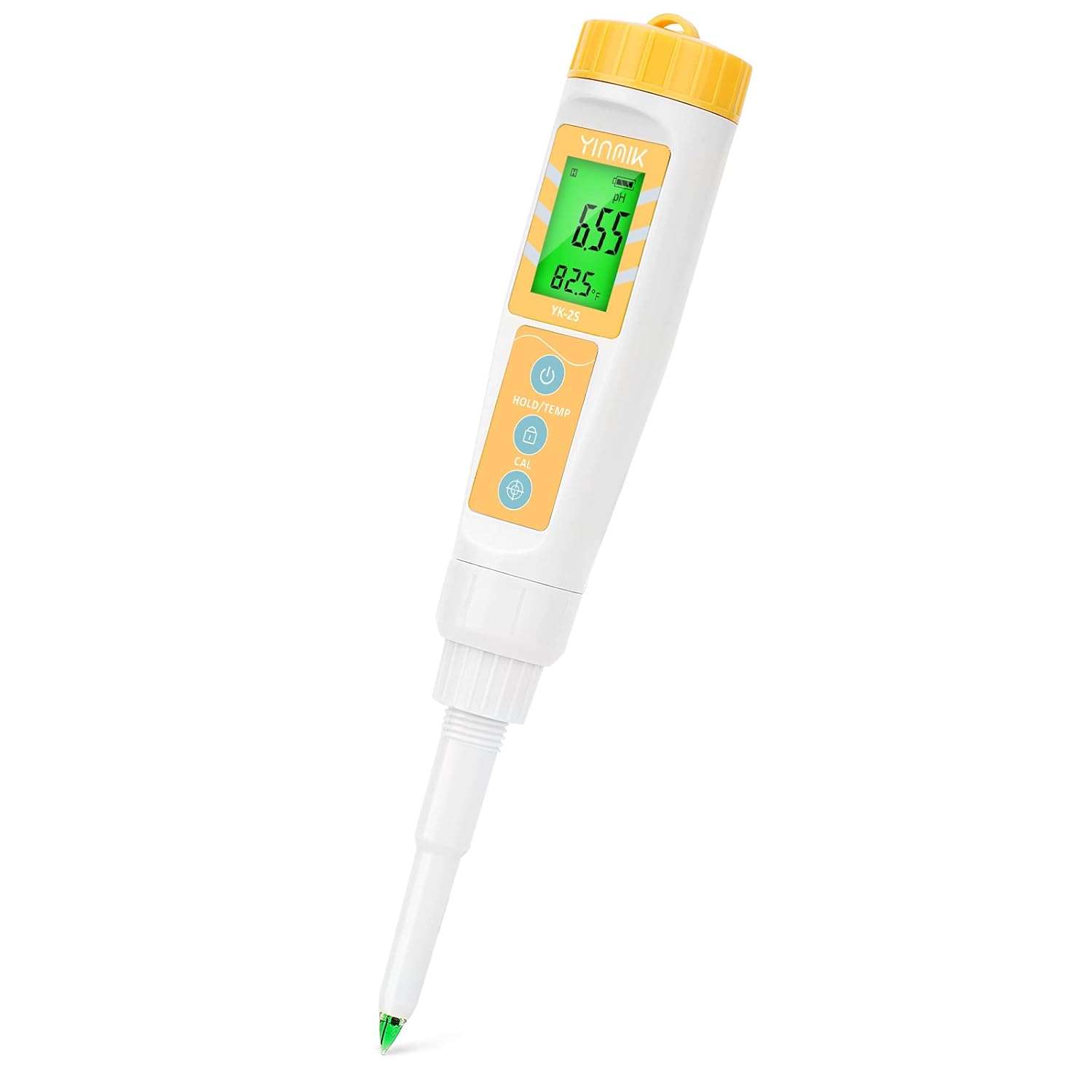
YINMIK Digital pH Meter for Food
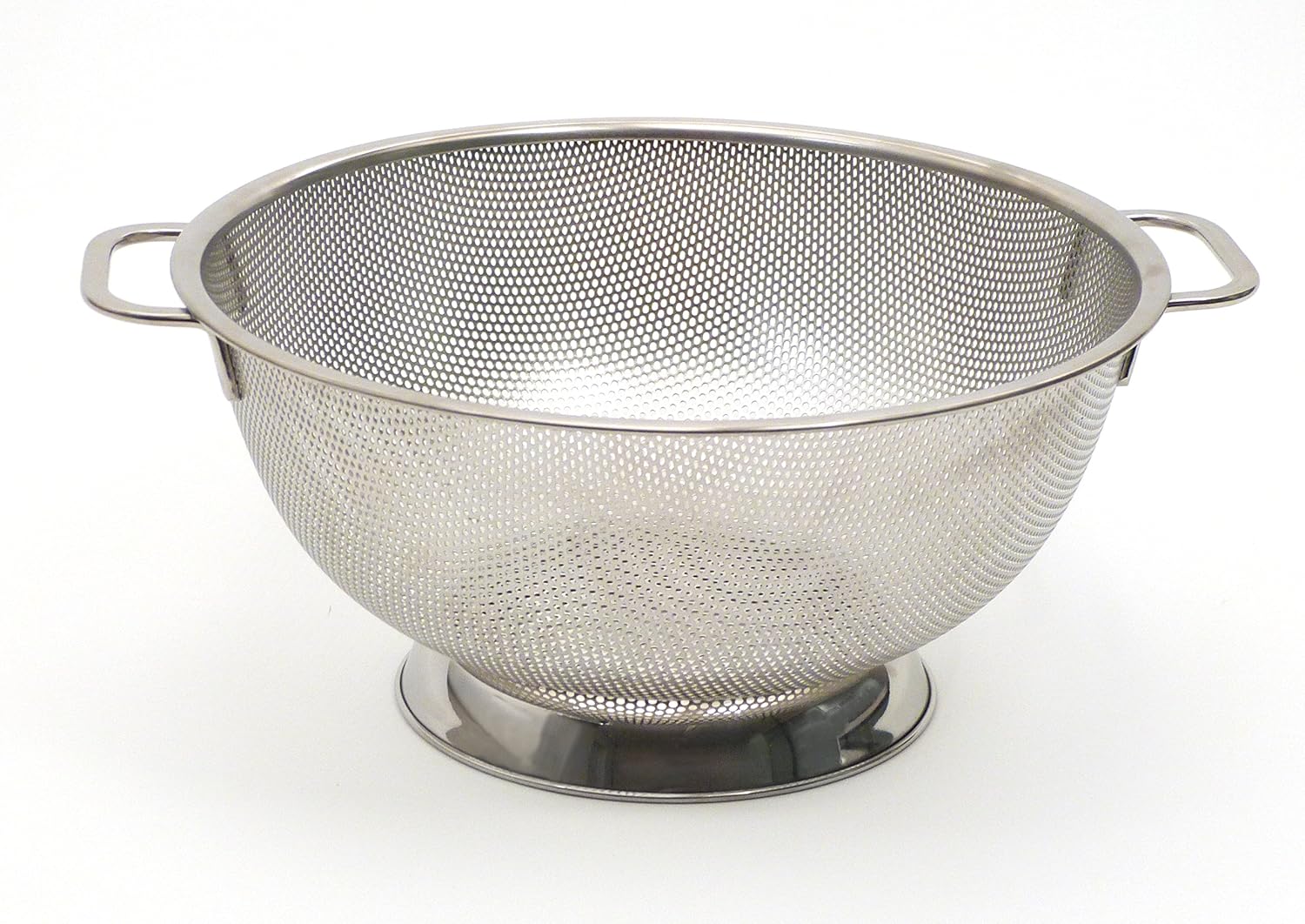
RSVP International Endurance Stainless Steel Precision Pierced Colander, 5-Quart (4.7L)

Ellie's Best Pro Quality Nut Milk Bag
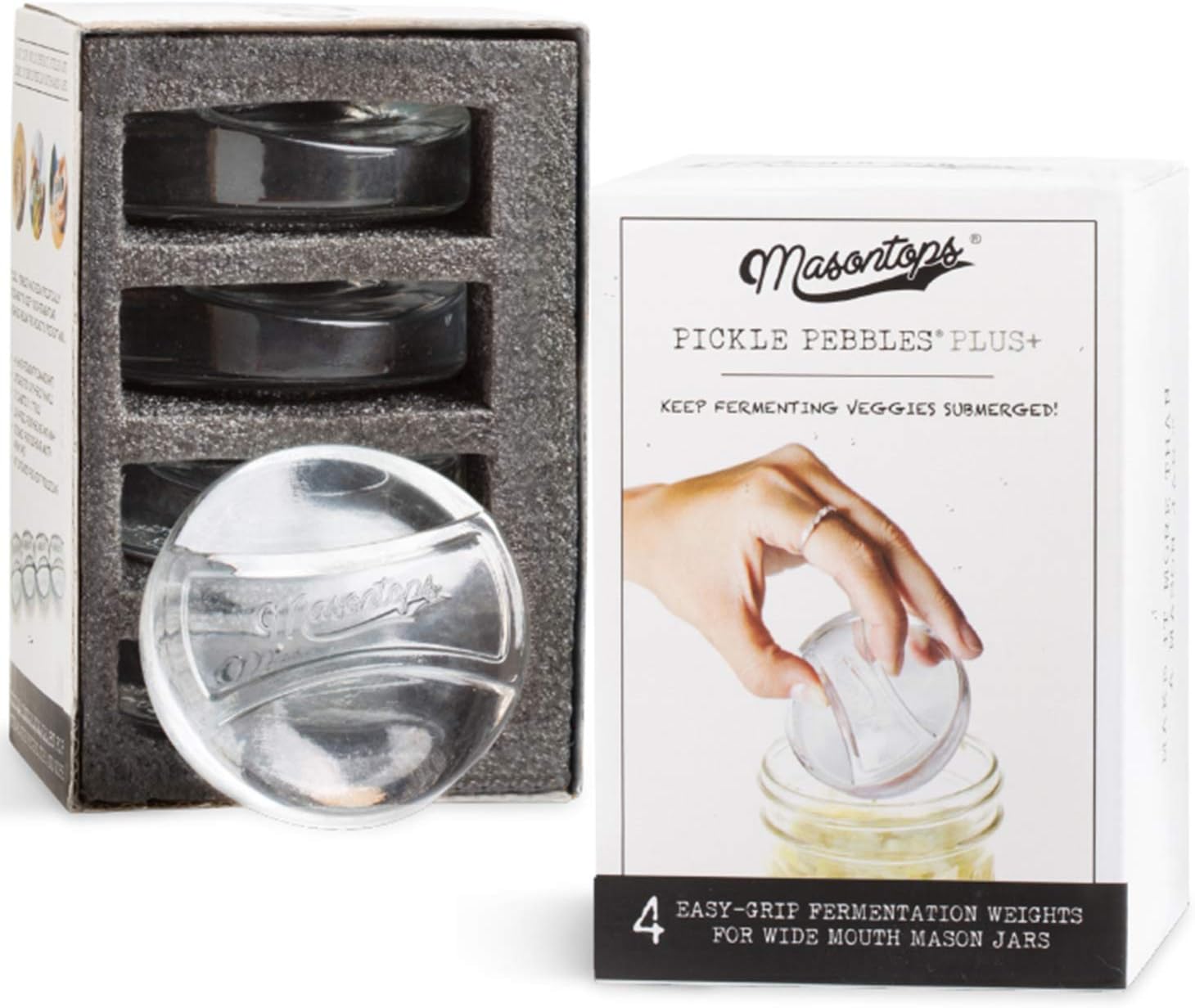
Masontops Pickle Pebbles – Glass Weights for Wide Mouth Mason Jar Fermentation (4-Pack)
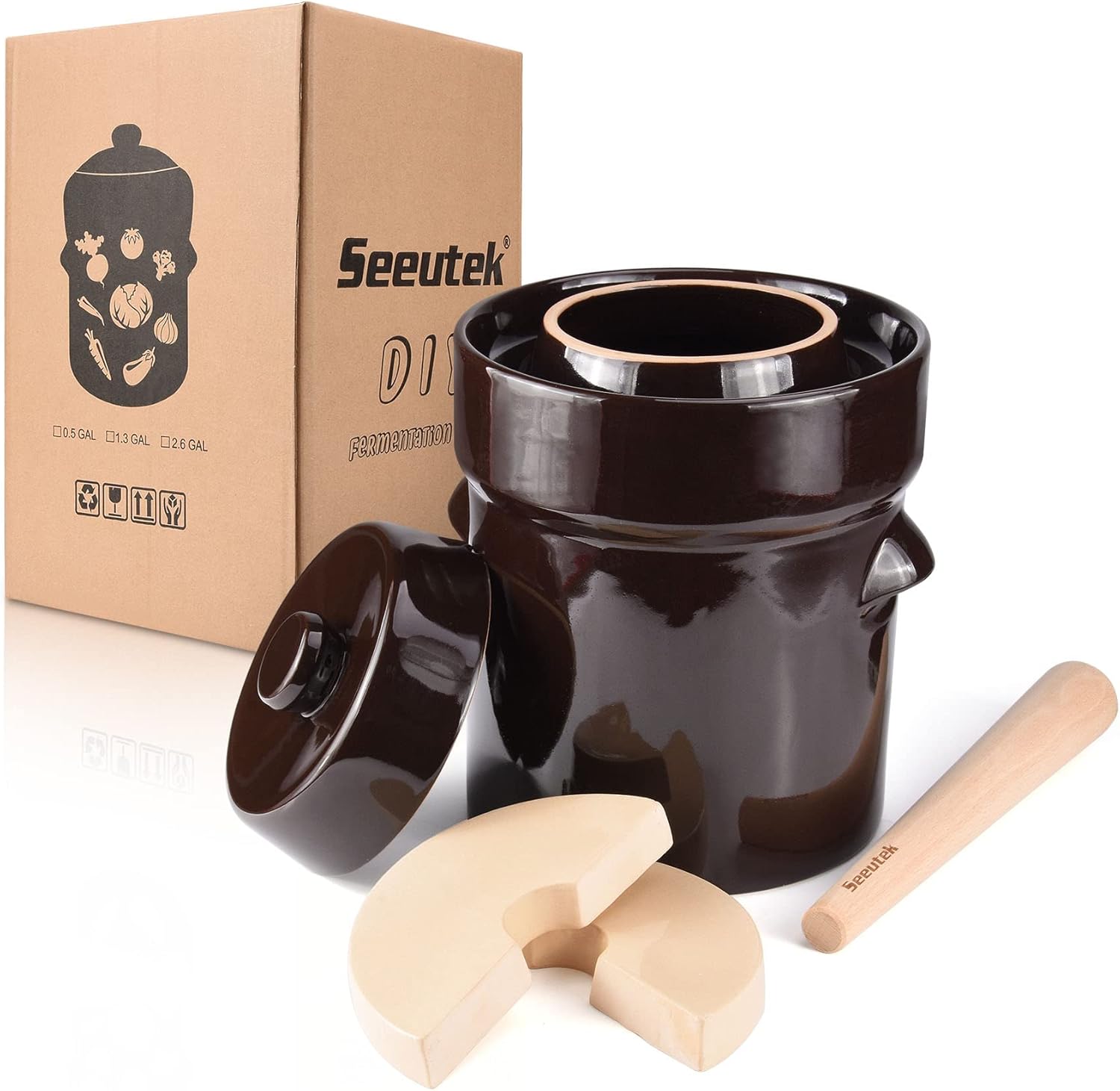
Seeutek Fermentation Crock Jar 5L – Stoneware Pot with Weights, Lid & Pickle Tamper
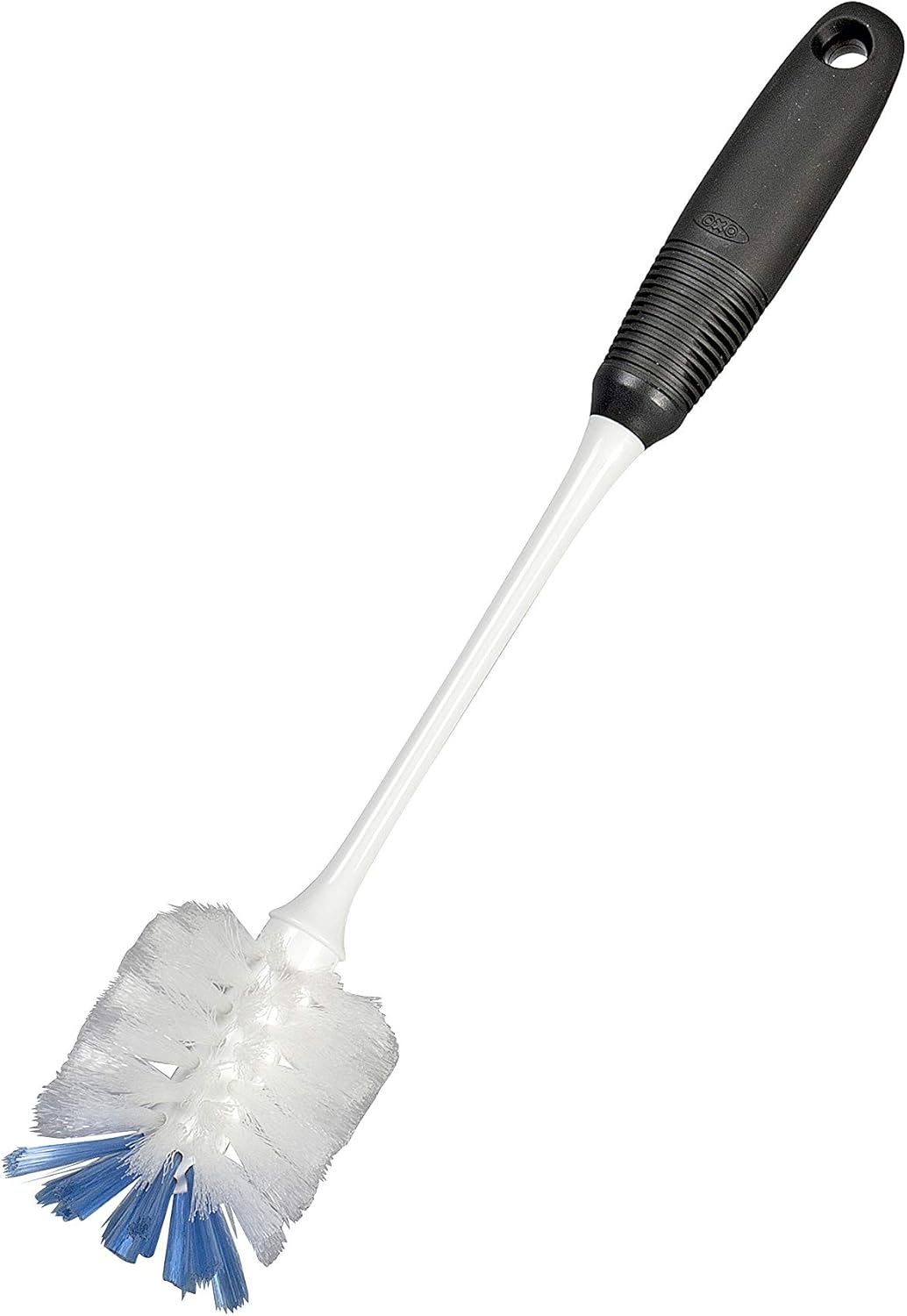
OXO Good Grips Bottle Brush